Turn AI risk into responsible growth
I help marketing teams and agencies understand where AI creates risk, decide what matters most and put practical governance in place, before AI-related risks become brand, compliance or business issues.
Not sure where your marketing team is exposed? ↓
Free · Takes 2 minutes · Results sent to your inbox

This check is for educational and operational clarity purposes only and does not constitute formal legal advice.
Your team is already using AI. Can you explain, control, and defend that use to your clients?
Most marketing teams are exposed because they adopt AI faster than they govern it.
While AI can accelerate execution, unmanaged use can create exposure.
-
Unvetted tools, browser extensions, and consumer-tier LLMs silently entering your team's creative and operational workflows.
-
Confidential client briefs, proprietary assets, or personal data (PII) pasted into public models without active DPAs or opt-outs.
-
Publishing AI-generated video or copy without proper transparency disclosures (Article 50), risking client trust and brand equity.
-
AI‑powered targeting, personalization, and scoring built on personal data without documented lawful basis, DPIAs, or AI‑specific controls. Misaligned GDPR and EU AI Act compliance (consent, transparency, profiling, high‑risk use cases) can trigger audits, fines, and mandatory remediation, with marketing programs and client contracts put on hold until risks are addressed.
-
Teams report “more output” from AI, but without quality standards, review steps, or measurement, low‑quality or misaligned content floods channels and distorts performance data. Marketing leaders lose clear visibility on what actually works, making budget allocation, optimization, and strategic decisions harder, and eroding the agency’s perceived value as a thinking partner, not just a production engine.
The 2026 competitive edge
Beyond mitigating risks, AI governance can help you win trust, strengthen client relationships and compete for more demanding opportunities.
Since 2 August 2026, transparency obligations under Article 50 of the EU AI Act apply to certain AI systems, while enforcement powers for obligations applicable to providers of general-purpose AI models are now operational.
This is a timely moment for marketing teams to review how AI enters your workflows, what data it touches and how its use is explained and governed.
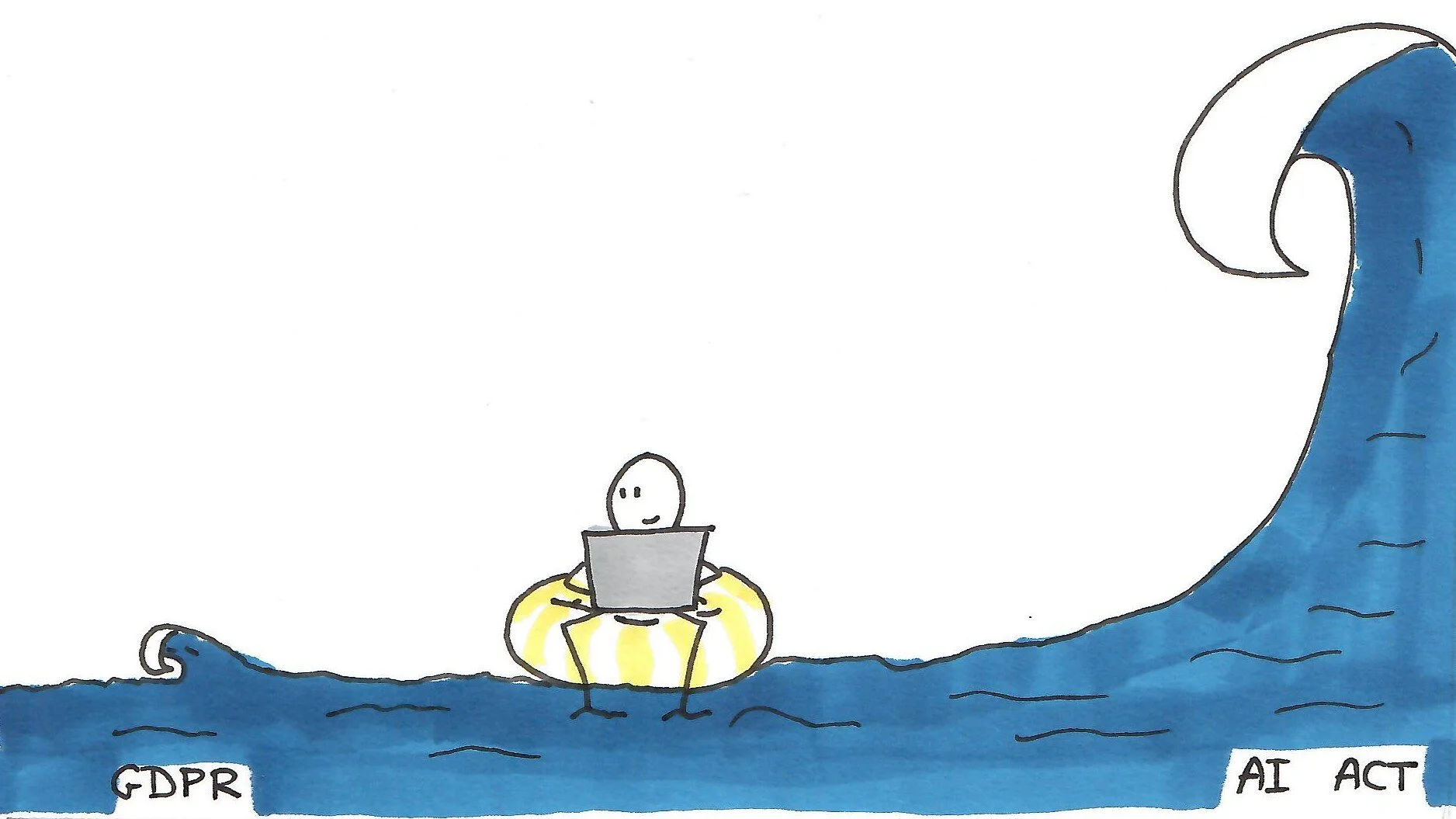
Marketing teams are navigating a regulatory wave.
How I help
01
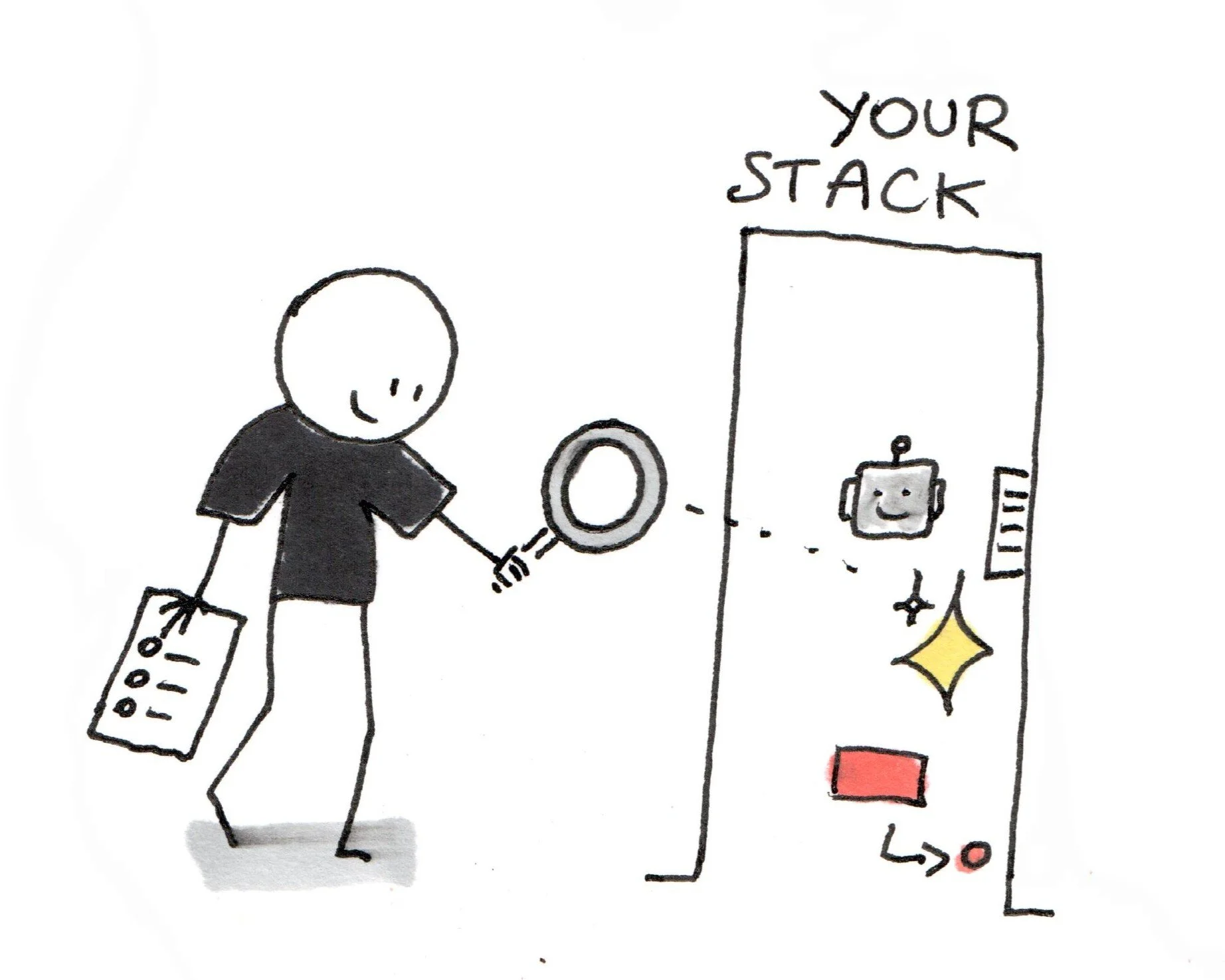
Audit your stack
I map where your team uses AI across content, briefs, workflows, analytics, and lead scoring.

02
Explain the exposure
I translate the complexity into visual thinking and plain English so you can see what matters and why.

03
Prioritise practical action
I help you put practical guidelines, workflows, and training in place without slowing your team down
Built by someone who’s been in your shoes

I spent 20 years in digital marketing and founded and grew my own agency. I know the gap between fast-moving marketing operations and complex European regulation because I have worked on both sides of it.
Today, I bridge EU AI Act and GDPR considerations with agency-native reality, so governance becomes usable rather than theoretical.

Who is this for?
You lead an agency that uses AI in strategy, creative, media, analytics or marketing operations. You need practical governance you can use in client conversations, proposals and procurement discussions.
Digital Agency CEOs
You are responsible for how marketing uses AI and data. You want your team to move quickly while keeping workflows controlled, accountable and aligned with your organisation’s risk appetite.
In‑House CMOs

Start here
Not sure where to begin? Start with the free AI Exposure Check.
In just a few minutes, you’ll identify common AI vulnerabilities in your marketing workflows and get a clearer view of what may deserve attention first.
Free · Takes 2 minutes · Results sent to your inbox
This check is for educational and operational clarity purposes only and does not constitute formal legal advice.